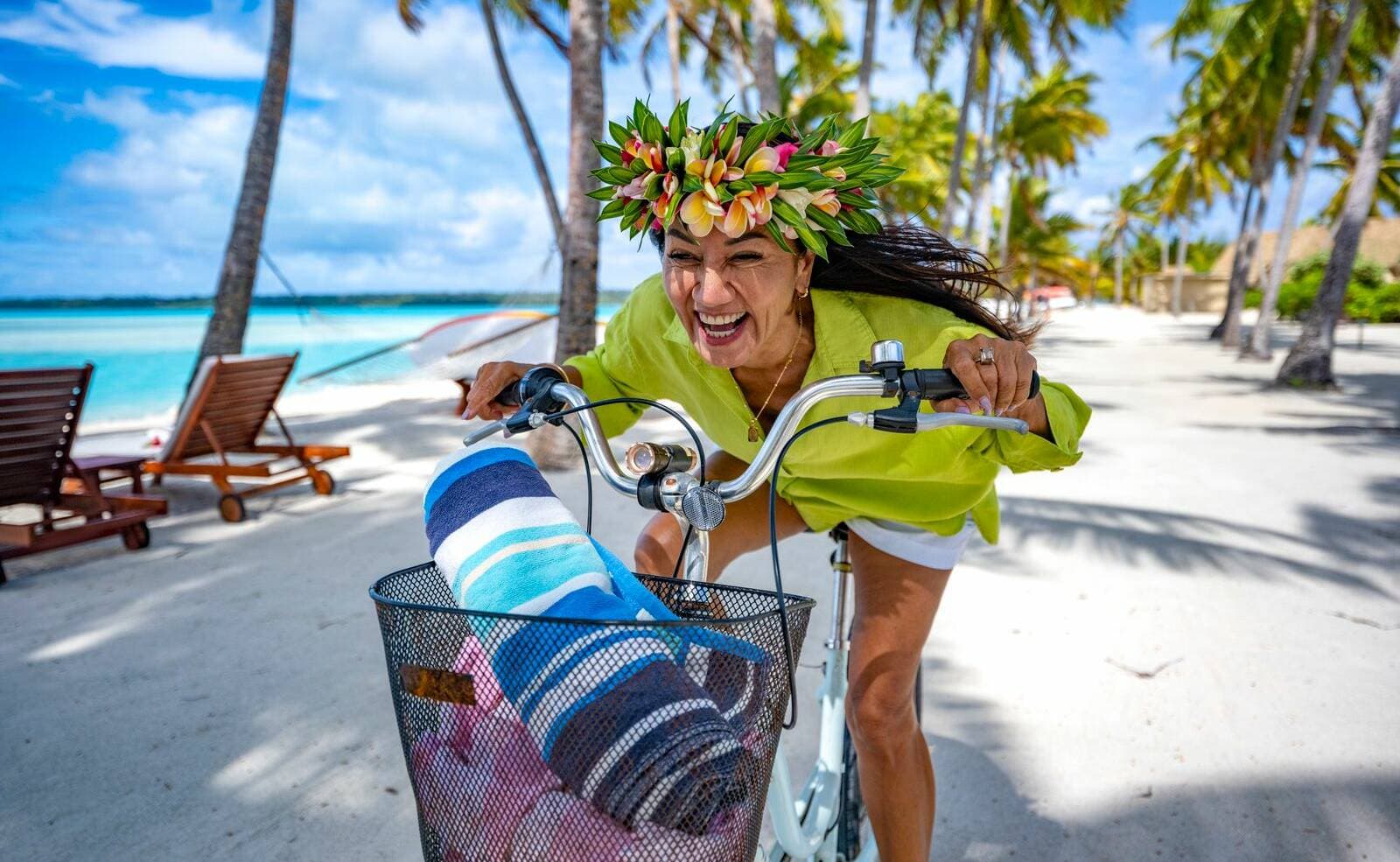
No McDonald's, just sunsets: why this is the ultimate digital detox
Updated 6 hours ago
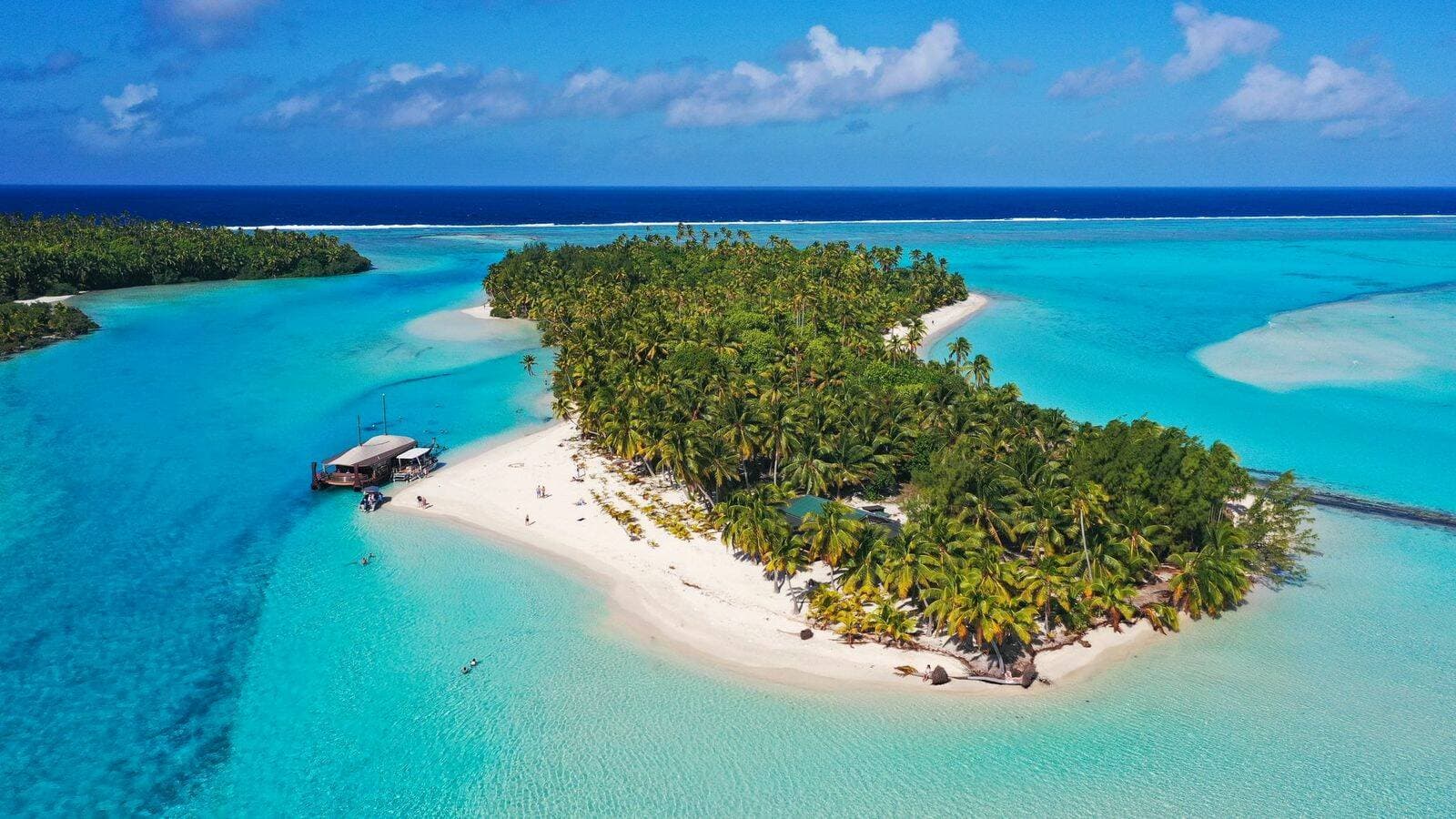
There is a saying in the Cook Islands: "don't go big, go little".
Going little means forgoing the mass tourism destinations of other areas of the South Pacific, as well as Asia, and finding fun and relaxation and the most astonishing beauty on islands of 67 square miles or less.
The Cook Islands, made up of 15 individual islands scattered across a sea area of 2.2 million square kilometres of the Pacific Ocean, is a place where tourists read books rather than iPads, watch the sunset instead of television and eat fresh that day seafood (spoiler alert: there is no McDonald's or any other fast-food outlet).
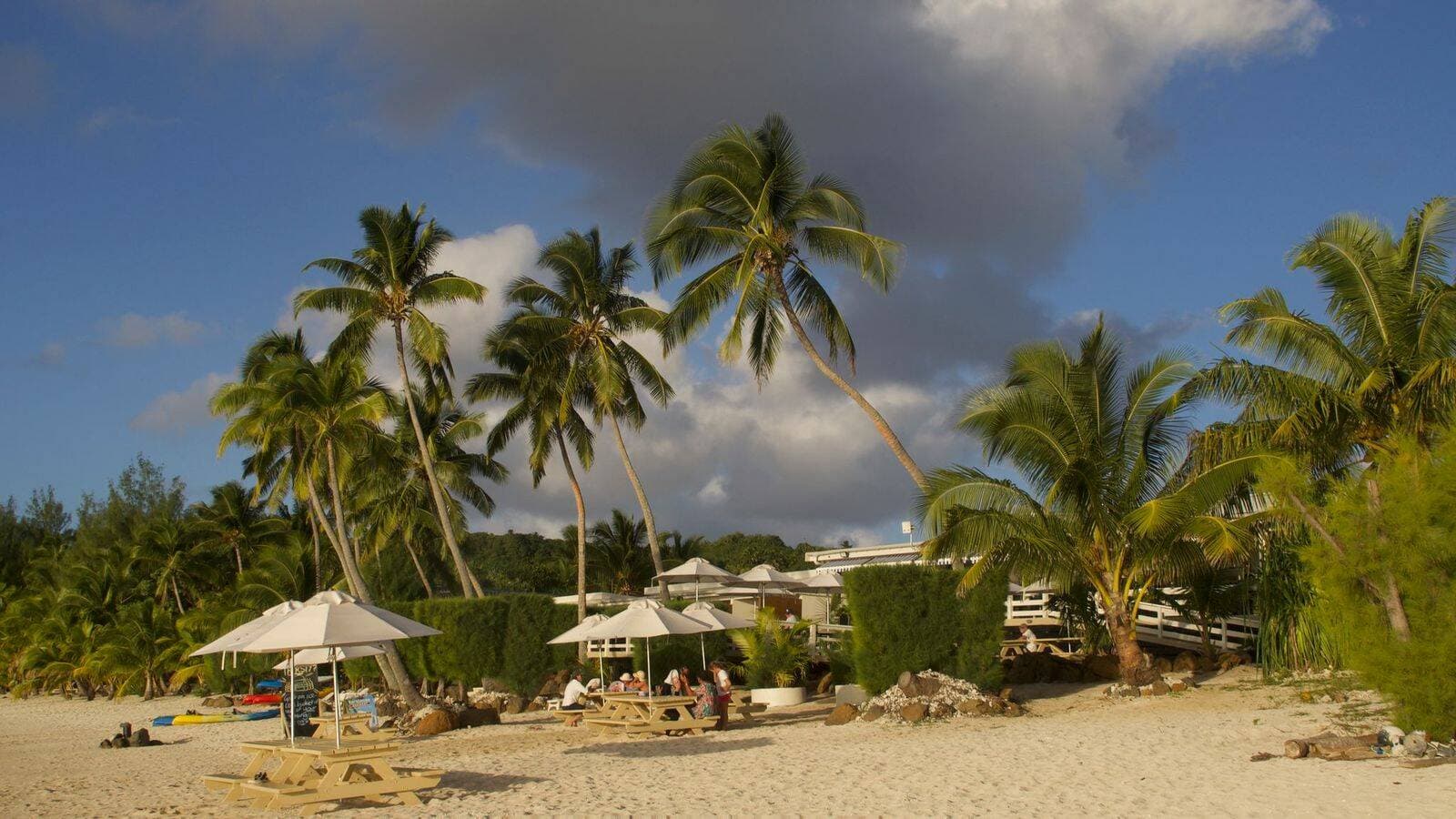
Australians arrive into Rarotonga, in the southern Cooks, early in the morning courtesy of a six-hour direct flight with Jetstar. Crossing the International Dateline means you arrive 20 hours before you left, gaining an extra day in the process. You can re-live the day under heavenly blue skies and swaying palms.
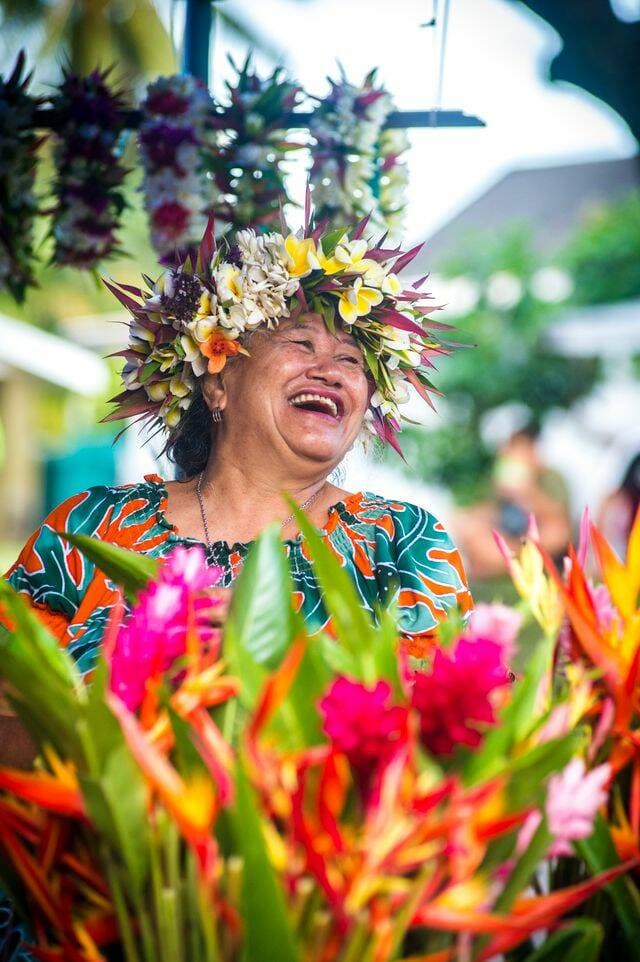
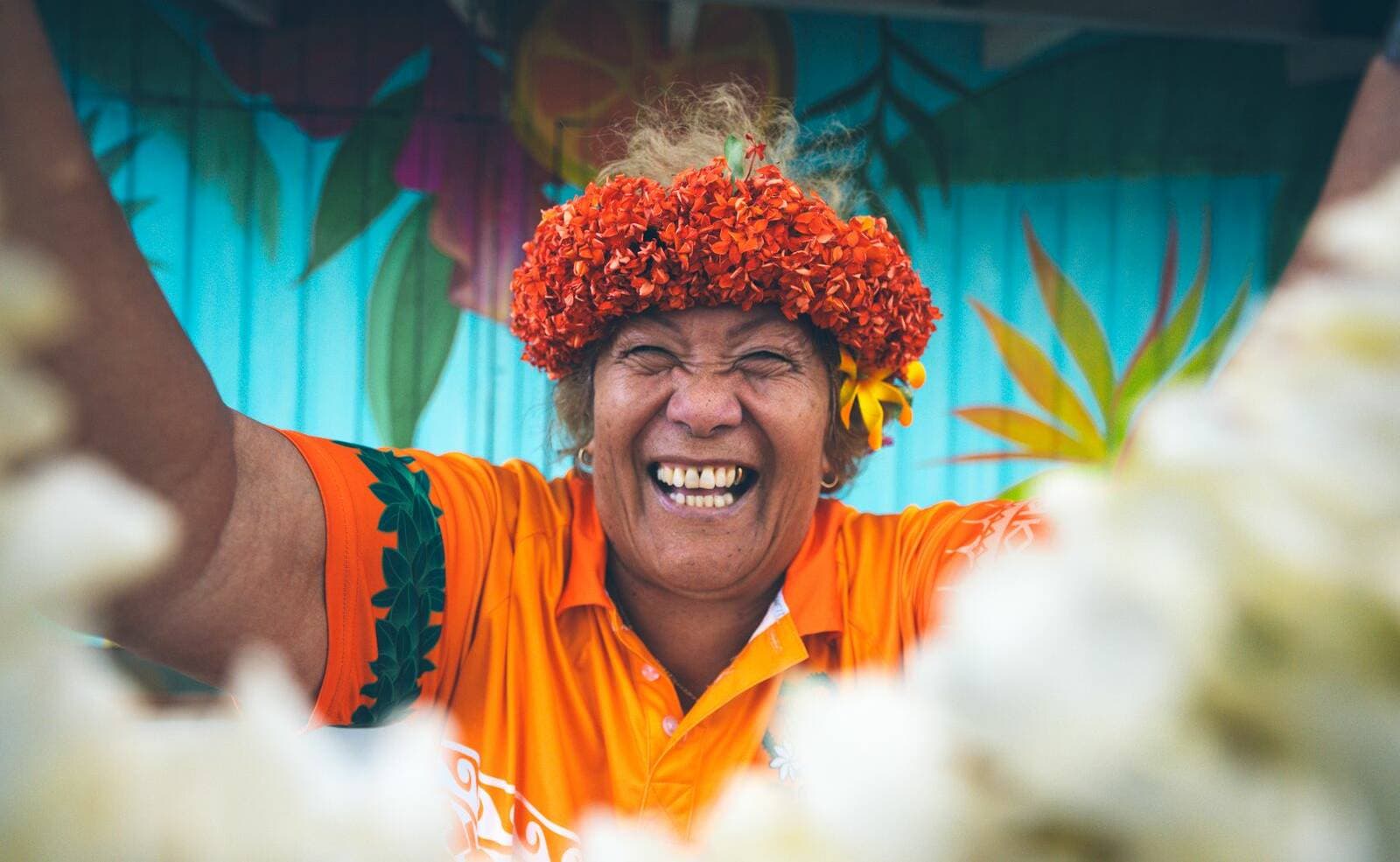
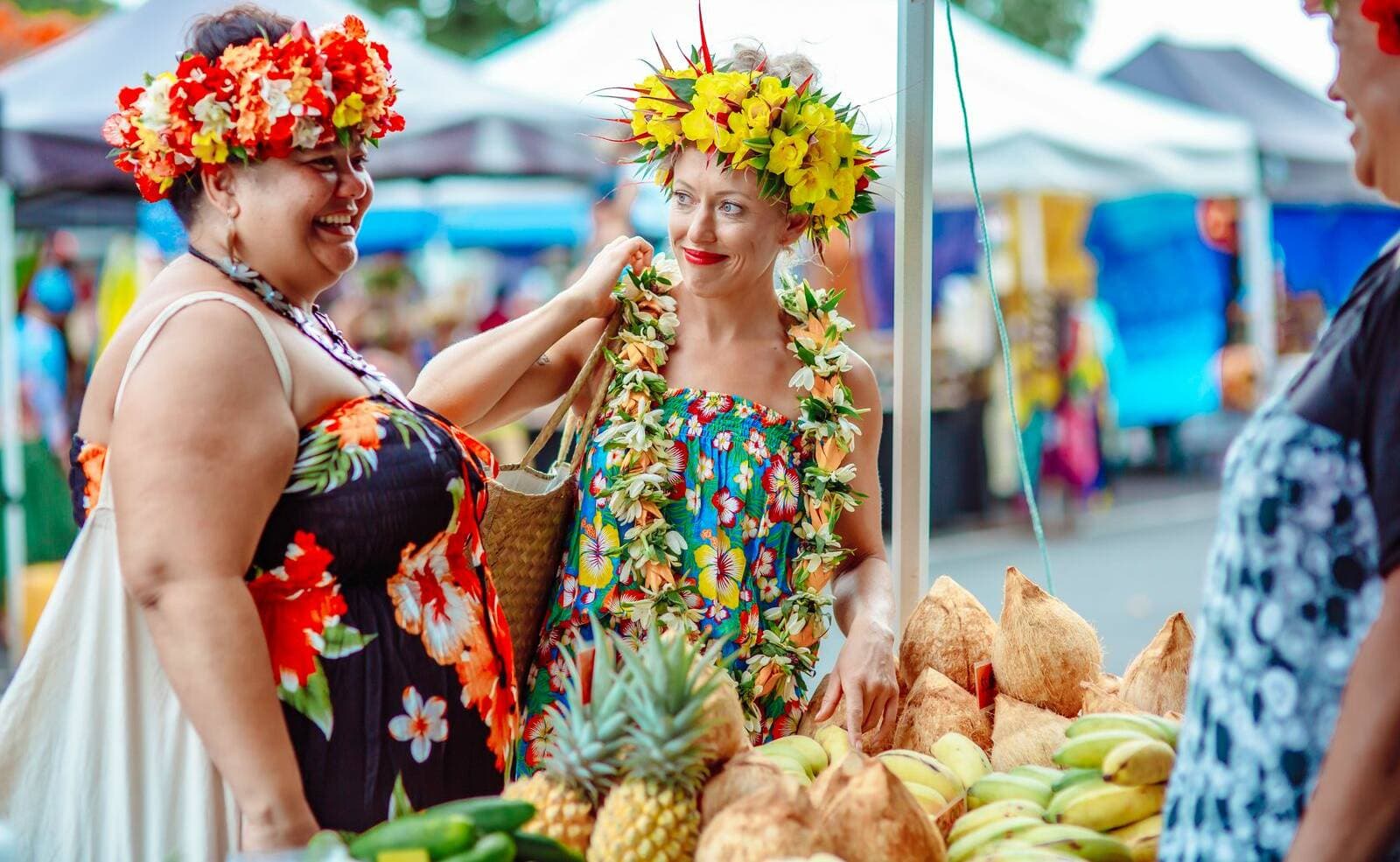
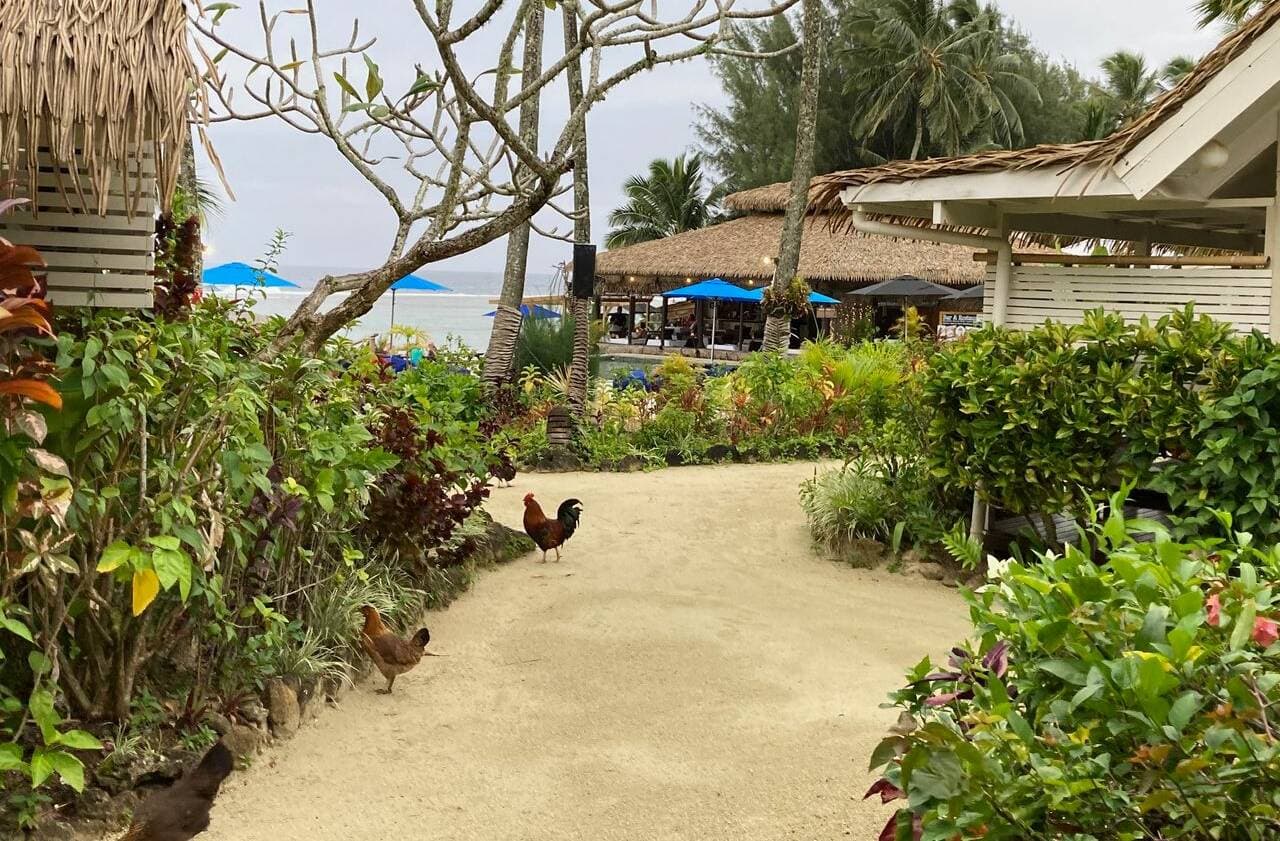
Stepping from the aircraft onto the tarmac there is the unmistakable sound of ukuleles and the cries of the traditional greeting "Kia Orana" - may you live long - along with the heady frangipani scent of eis (the traditional woven floral necklaces). Joining the chorus are the island's free-ranging roosters, which tourists quickly discover live up to their reputation as the Cook Islands Alarm Brigade.
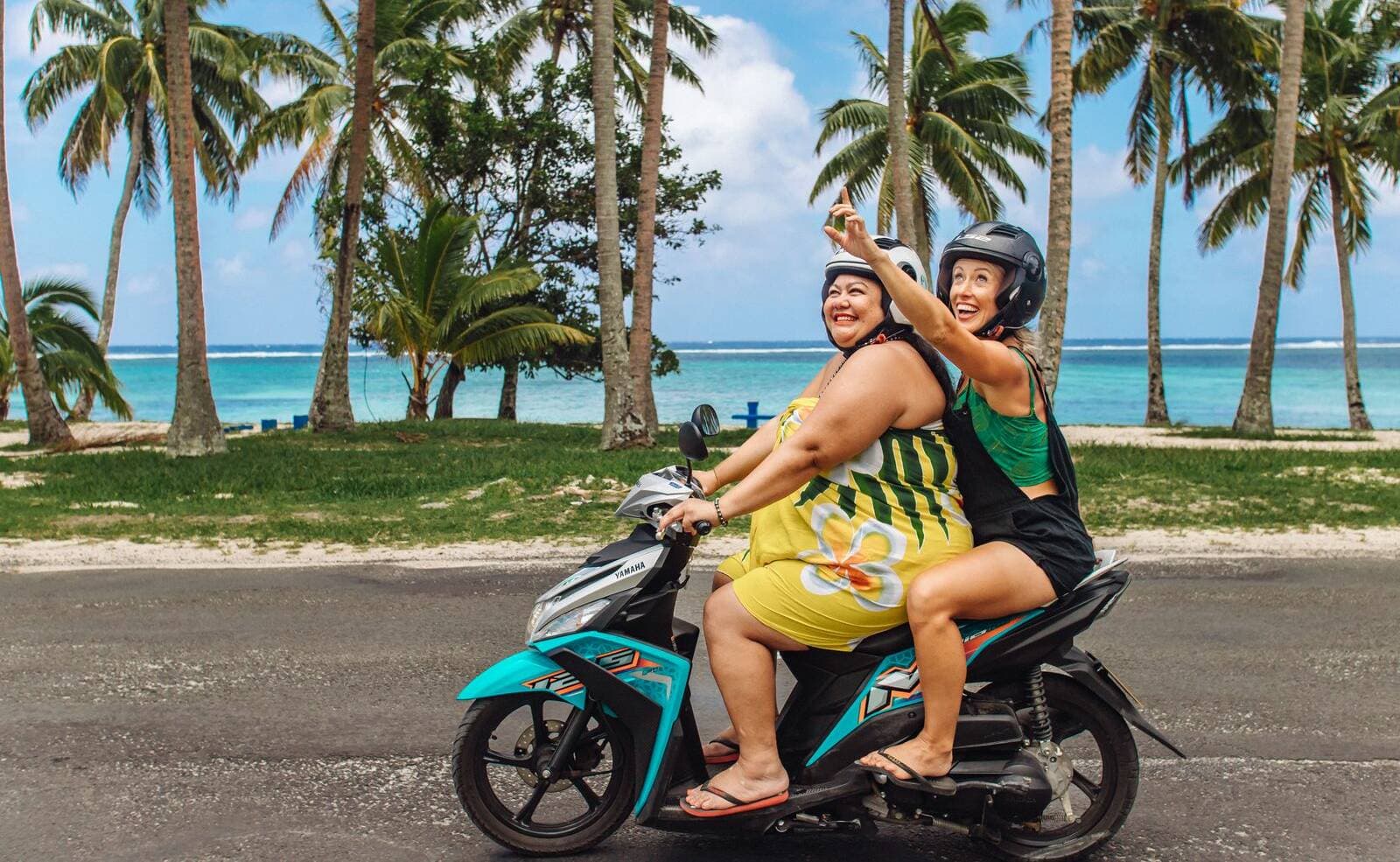
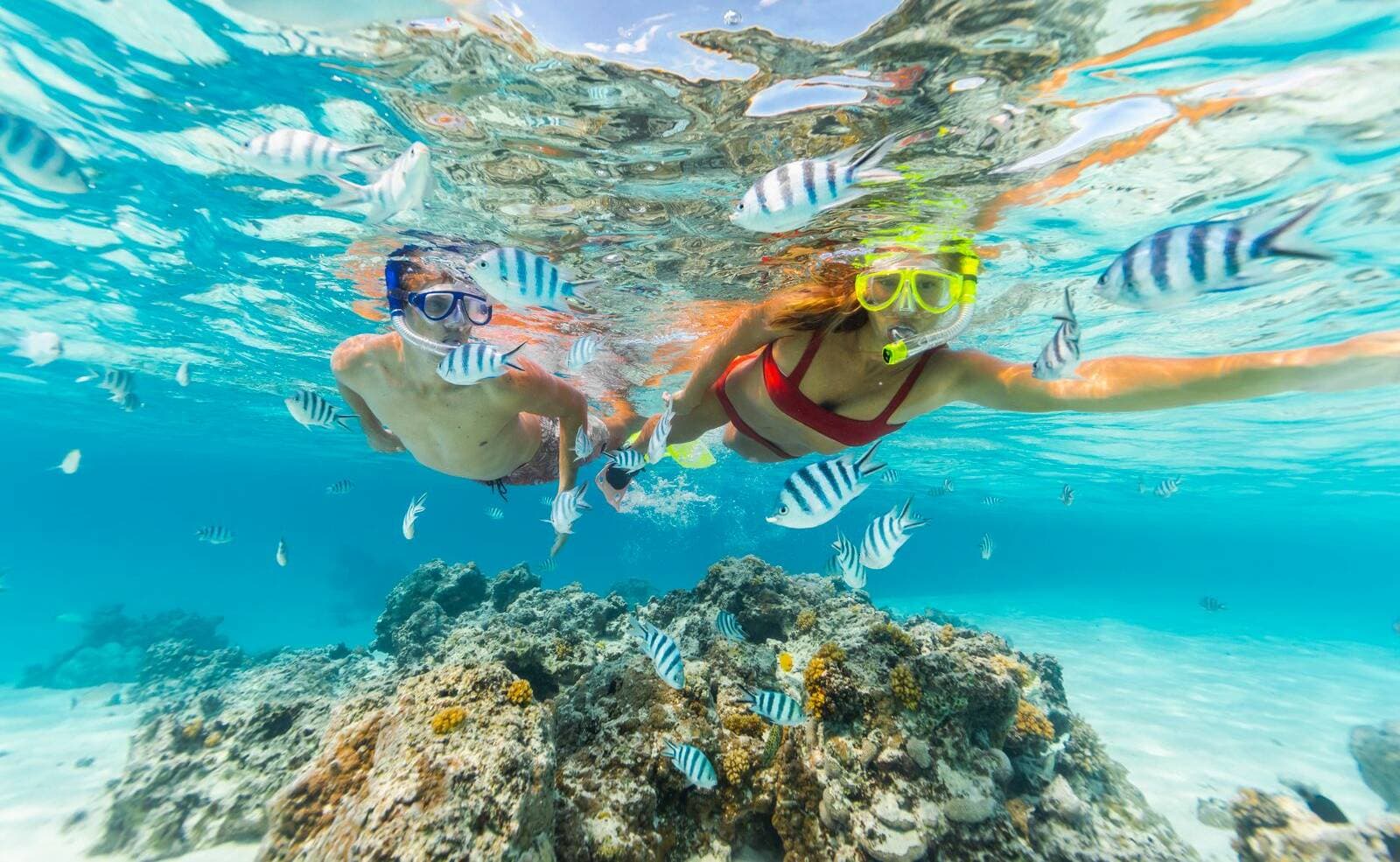
Rarotonga, the main island, is home to about 18,000 people and small compared to many other tourist destinations but its offerings are unmatched - it has pristine white sandy beaches and the shallow protected waters of its lagoons are home to a hundred or so species of coral, fish and marine life including the Pacific Green and Hawksbill turtles, giant clams and moray eels, making it perfect for snorkelling.
Other activities on Rarotonga include island nights with Polynesian dancers and fire twirlers, a Progressive Dinner visiting island homes, handicraft and food markets and lush mountainous interiors ideal for trekking with a guide.
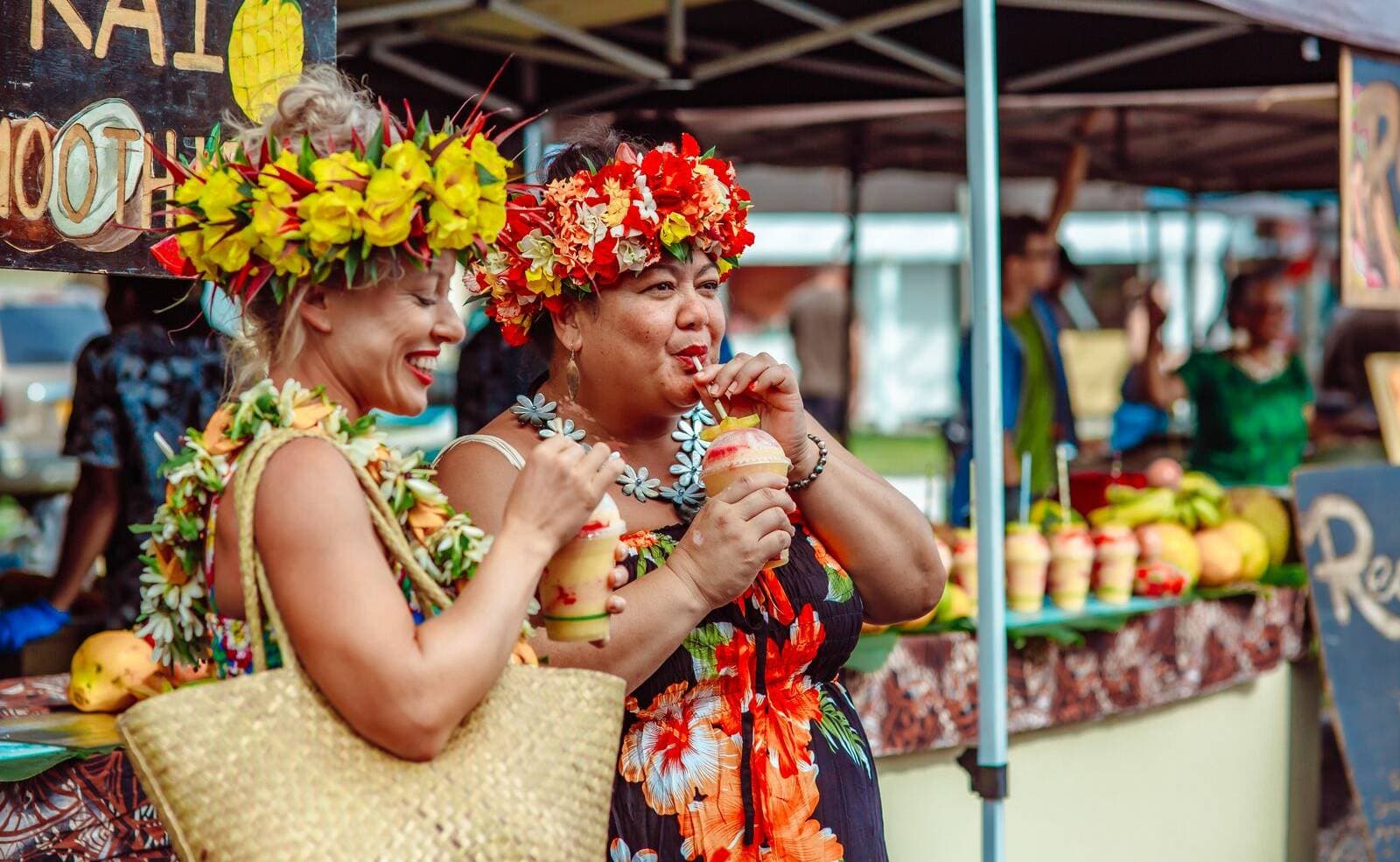
Food in the Cook Islands is fresh and simple and fish-lovers will be in heaven, whether they dine in a candle-lit restaurant or eat a fried fish sandwich served from a converted shipping container. The traditional dish is Ika Mata, a delicious blend of diced marinated raw fish, generally redfin tuna, served in a bowl with pieces of red capsicum, cucumber, onion and coconut cream.
On a Taste of Rarotonga food tour one day at the Arataki Organic Garden I learn about the island's traditional produce from Mirella and Katoa Mairi. The stimulus for their abundant organic garden came during COVID when the island was completely closed to outsiders. The government gave free seedlings to the people to encourage them to start planting their own food. "We thought if we don't get food from the ships at least we can survive," Mirella said.
On a 1000-square-metre plot, the couple now have enough food to feed family and friends and for occasional trade. The site is packed with familiar fruits, vegetables, herbs and medicinal plants along with more unfamiliar plants such as guava, custard apple, soursop and dragon fruit. Mirella snaps fruit off the branches so we can eat as we walk.
Mirella would love to see more Cook Island families live off the land, as they do, rather than relying on the tons of imported fruit and vegetables that come in to the islands each year from New Zealand. "For us, the garden is not work it is a passion," she says.
Life on Rarotonga slows down on Sunday as it is a day of rest and worship for the islanders. Along with other tourists I join the congregation at the Cook Islands Christian Church at Arorangi, one of the many picturesque white coral and limestone churches dotted around the island. Here visitors are made welcome and the service conducted in both Cook Islander Maori and English. The singing is breathtaking and we are all invited to join the congregation for morning tea afterwards.
Lovely as Rarotonga is, no visit to the Cook Islands is complete without crossing to the neighbouring island of Aitutaki. The 50-minute flight from Rarotonga takes you across to what has been described as the most beautiful lagoon in the world.
For many, a visit to Aitutaki and a lagoon cruise is the highlight of their visit to the Cook Islands. The colour of the sea is like the most brilliant blue in the paintbox, the 12 islands, most uninhabited, providing a splash of vivid green. We set sail on Aitutaki Vaka Cruise, a replica 21-metre Polynesian twin-hull vaka (canoe) dropping anchor on isolated islands to swim, snorkel and enjoy a feast of traditional foods. Life doesn't get any better.
Many years ago, when I first told of my intention to visit the Cook Islands, the response was
"Where?". Fifteen years and four visits later the response is a smile and "Of course, where else".
This writer was a guest of Cook Islands Tourism and flew courtesy of Jetstar