

What hot travel experiences can we expect in 2026?
Updated 5 days ago by Michael Turtle

Trying to describe trends in the travel industry is a bit like trying to describe the different ways people actually travel. Sometimes a trend is like grey nomads heading north for winter: slow and gradual. There may be a shift in behaviour but it can take years until everyone catches up. On the other hand, a trend can be like the crowds at an Insta-famous restaurant: hot for a season and then forgotten by the next. Sometimes you just never know what'll stick.
As we close out the year, I thought it would be interesting to look at what actually happened in 2025 and what it suggests about the coming year. Where will people be travelling? What challenges will they face? And what will they be doing that they've never done before?
Where we went
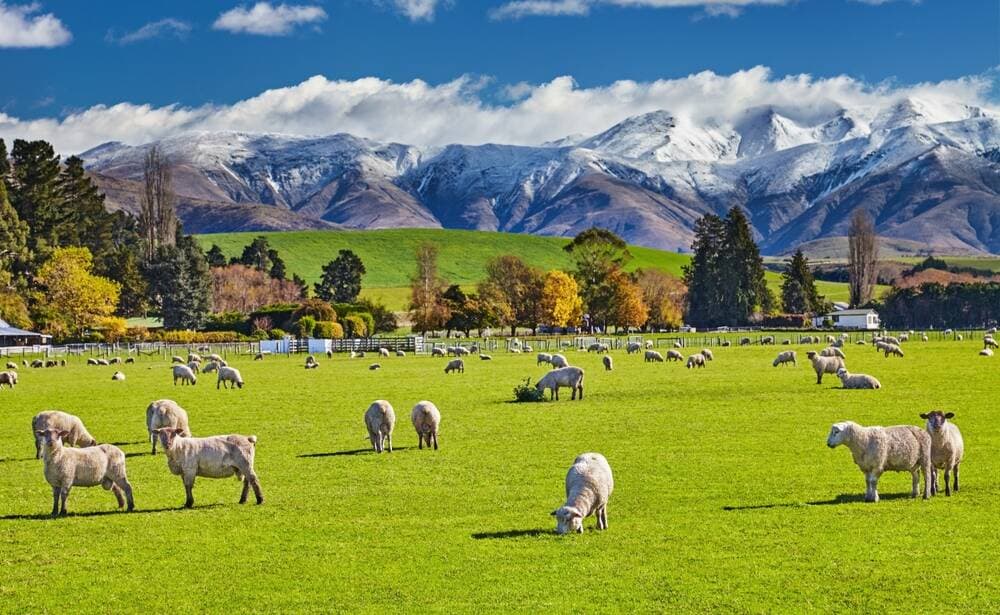
Some of our most popular destinations - New Zealand, Bali, Thailand - got even busier in 2025, but the biggest percentage increases were to Japan, Vietnam, and South Korea. On the other hand, the Americas saw a huge drop, and even Europe saw a slight decrease (despite more visitors to Portugal, Greece, and Spain).
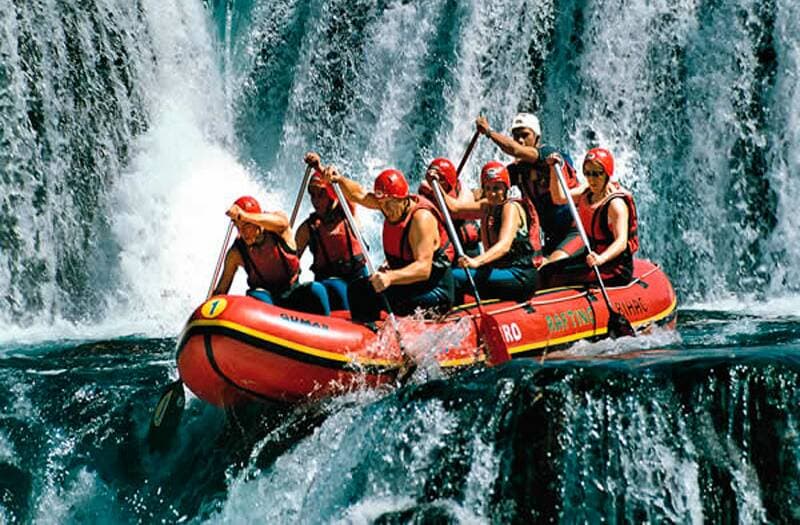
Cost-of-living issues mean many people are opting for countries cheaper and closer to home. But there's also a shift towards emerging "adventurous" destinations (my top tip is Georgia). The region with the biggest percentage increase was Southern and Central Asia (particularly Nepal and India), followed by Sub-Saharan Africa, and then North Africa and the Middle East.
This is supported by a DFAT survey finding about half of Australian travellers like the idea of doing something "risky"... although for many this just meant trying unusual food or cultures. But 11 per cent said they would go to countries with a "do not travel" warning because social media made it look appealing, so there's a fear things could go too far in coming years.
Still, of the 9000 cases of consular assistance last financial year, most were in popular "safe" destinations. Italy was the highest for theft cases, Indonesia for assaults, Thailand for illnesses, and the US stayed at second place for both imprisonments and immigration detention.
What we spent
Although the cost of flying has come down since post-pandemic, pointy-end seats have remained sky-high and are now a priority for airlines because they're so profitable. And it seems there's also been a similar trend in the cruise sector here this year. First, Virgin Voyages didn't come back to our shores, then the P&O Australia brand was officially absorbed by its Carnival owners, followed by Disney announcing it was also leaving the Aussie market.
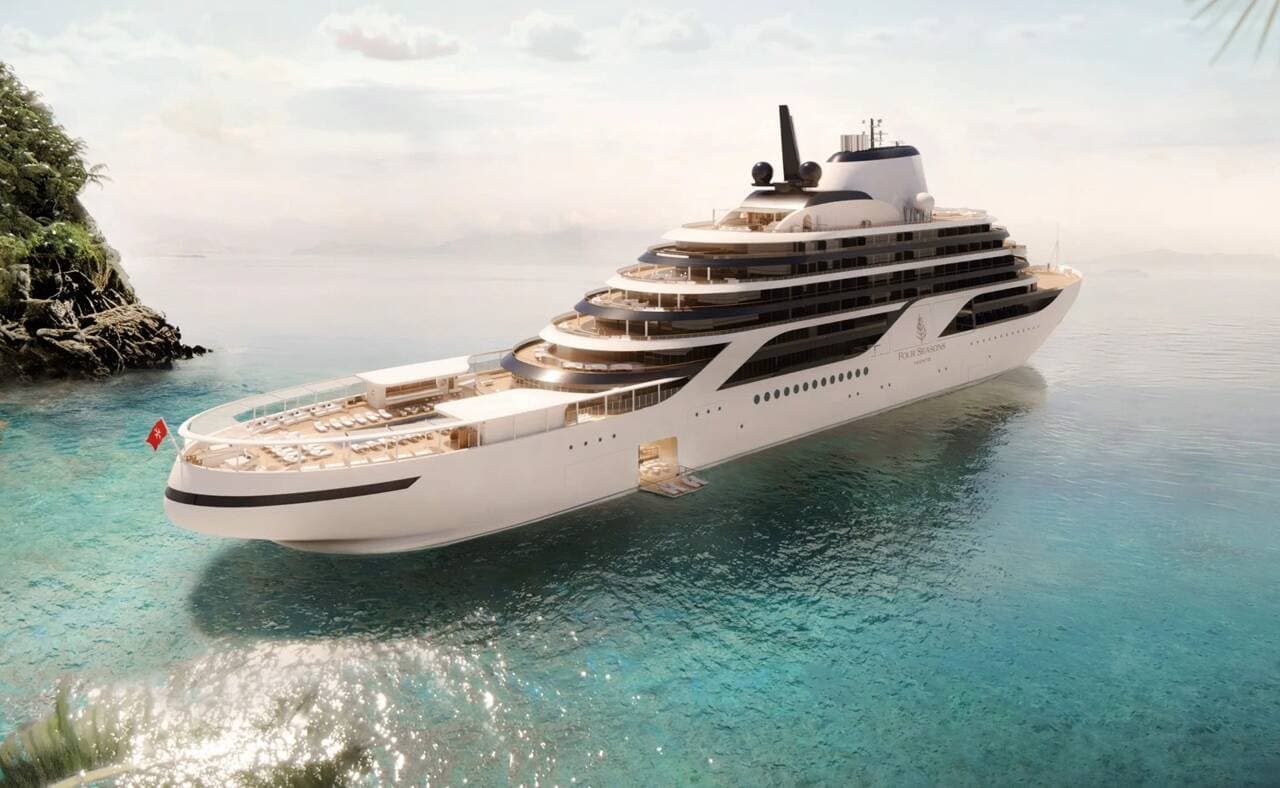
The real innovations in the cruise sector are happening at the premium end. Ships that are already expensive are creating exclusive sections for even higher-paying guests, luxury lines known for ocean trips are expanding into European rivers, premium expedition cruising is gaining in popularity (helicopters and submersibles included), and now brands like Ritz-Carlton and Four Seasons are launching megayachts.
It all points to a general trend in the travel industry that luxury is no longer big and bold, it's tailored and exclusive. Look at the hotel openings that got all the attention in Australia this year - the 25 Hours in Sydney, the Mondrian on the Gold Coast, Hannah St in Melbourne - they're more boutique properties offering unique local experiences. They're not cheap, but it's what people are now prepared to pay for.
Why we moved
This desire to find unique and meaningful experiences is shaping so many parts of the travel industry. Sure, you'll still find mass tourism everywhere, but Australians are really embracing niche trips like cross-country rail journeys, cycling tours of historical sights, or road trips through food bowls.
One of the biggest trends I've seen is walking holidays, which is one of the reasons many Australian states now have their own lists of "Great Walks". NSW launched the 42km Gidjuum Gulganyi Walk through rainforest around Byron Bay this year, and in 2026 Queensland will open the new 32km Ngaro Track across Whitsunday Island. Overseas, as countries like Japan and New Zealand become oversaturated, expect more walking trips to places like Slovenia or Albania.
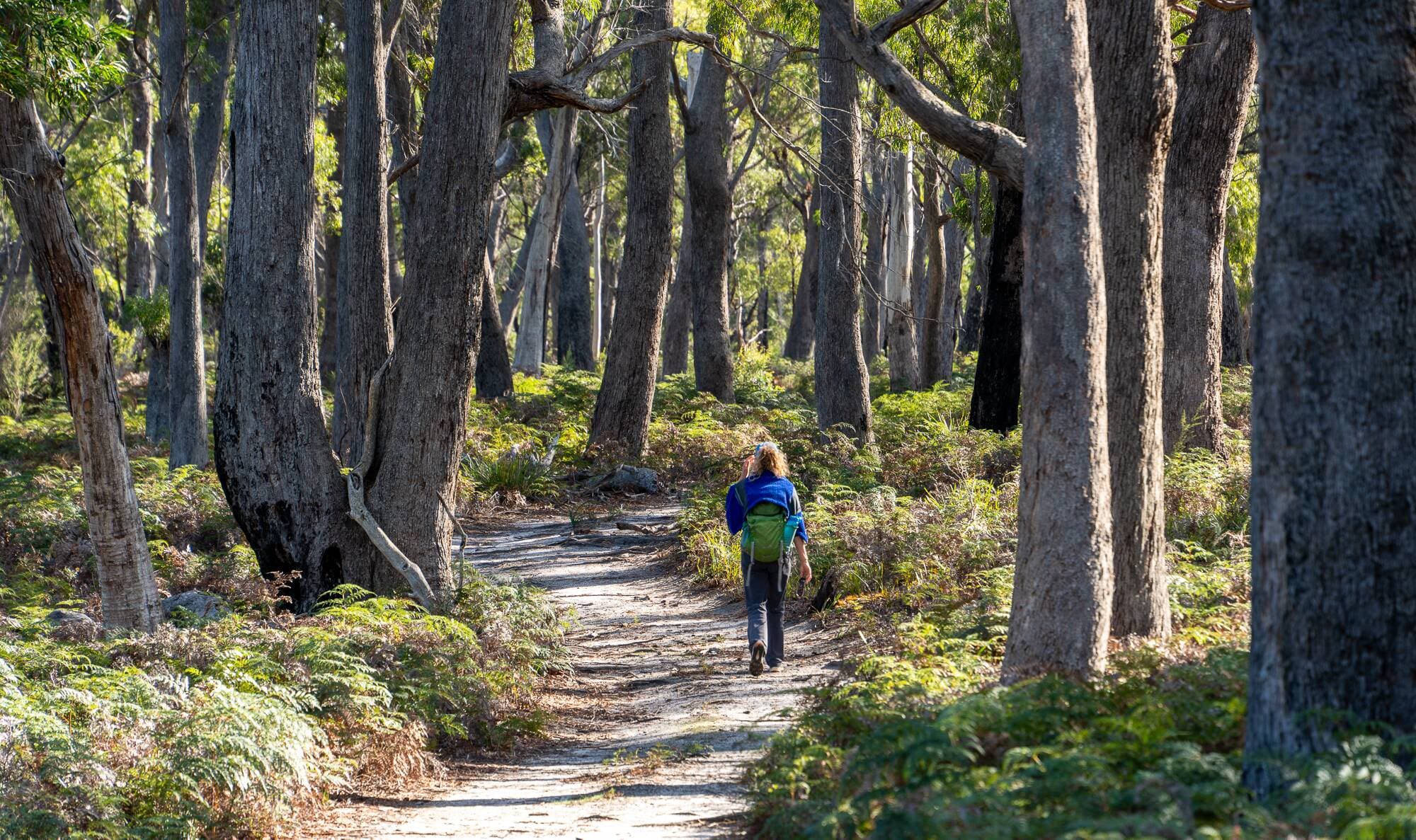
Many people are choosing to join these walking trips by themselves... and they're not alone in that. Skyscanner recently revealed its "solo" search filter has jumped 83 per cent compared to the year before. But just because people are setting off on solo trips without family or friends, it doesn't mean they're alone. Many companies are now offering group tours for travellers on their own, making the journey partly about meeting new people.
How we're changing
Finally, we can't finish talking about 2025 without mentioning the topic that's dominated the year: artificial intelligence. As AI improves, it's being used more by travellers to plan itineraries, suggest places to eat, and manage budgets. I've been critical of relying on AI for suggestions because it tends to prioritise the obvious choices, which can mean crowds and inauthenticity. But we're getting better at prompts and it's getting better at personalisation, so it's clearly here to stay (for better or worse).
In fact, technology is likely to be a big catalyst for changes in travel in 2026, particularly as live translation improves. Whether it's with earpieces or just a phone, it won't be long until we're having conversations with anyone around the world, opening up new opportunities for independent travel and cultural exchange. Unfortunately it's also being integrated so much into attractions, hotels, and restaurants, there might not actually be a need to speak to anyone anymore, with missed opportunities to meet locals.
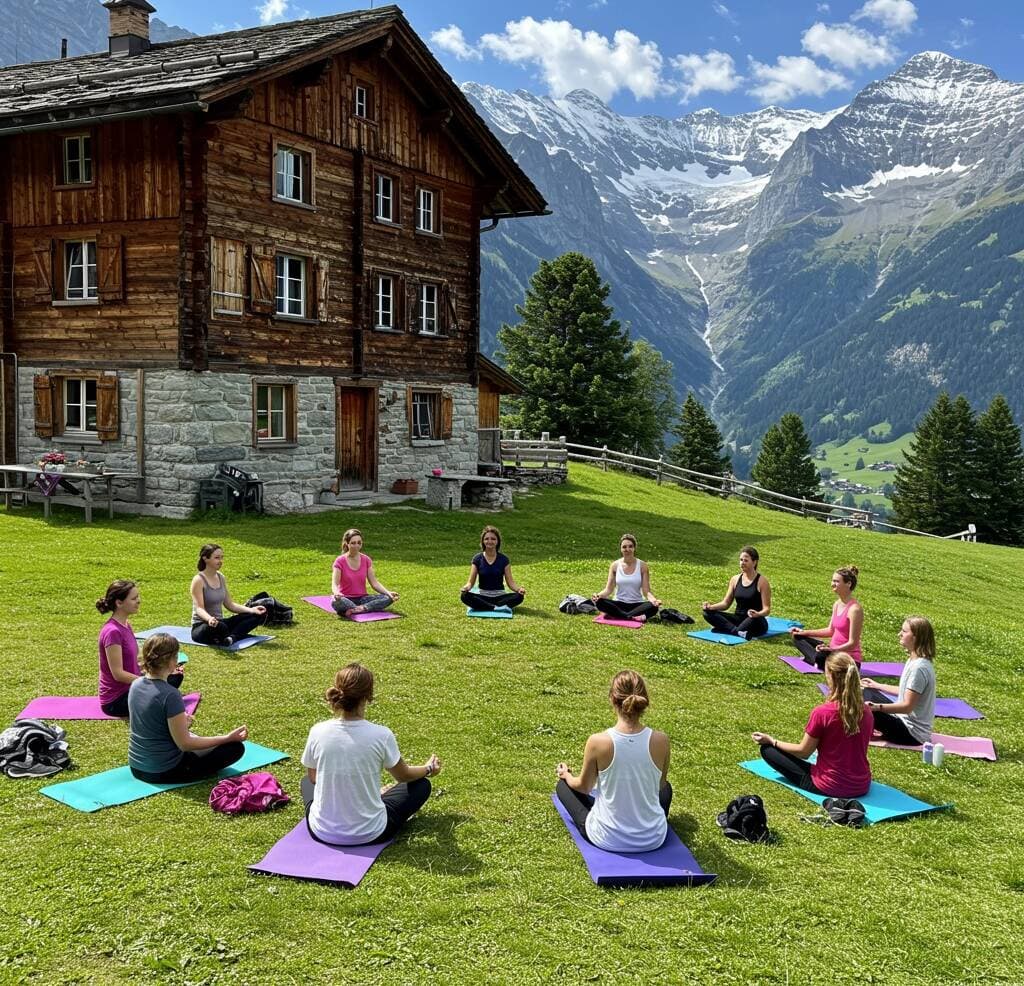
If that all seems a bit too much, it's no surprise that one of the biggest trends for 2026 is likely to be digital-detox holidays. Whether it's escaping from technology's stresses, spending quality time with family, or just embracing the moment, it all comes back to the thing that doesn't change - travelling to relax and discover.