

Top 5 Chinese brands we want in Australia
Updated a day ago
Mercy, you say, please no more Chinese brands! Don’t we already have enough?
Arguably, yes. Australia has the most competitive new car market in the world, with an increasingly large array of new Chinese brands already competing with an already globally-wide range of Japanese and European automakers.
What else could we possibly want then?
Read more
Well, read on, because some of China’s best automakers still elude our big island, even ones that seem like a natural fit.
Xiaomi
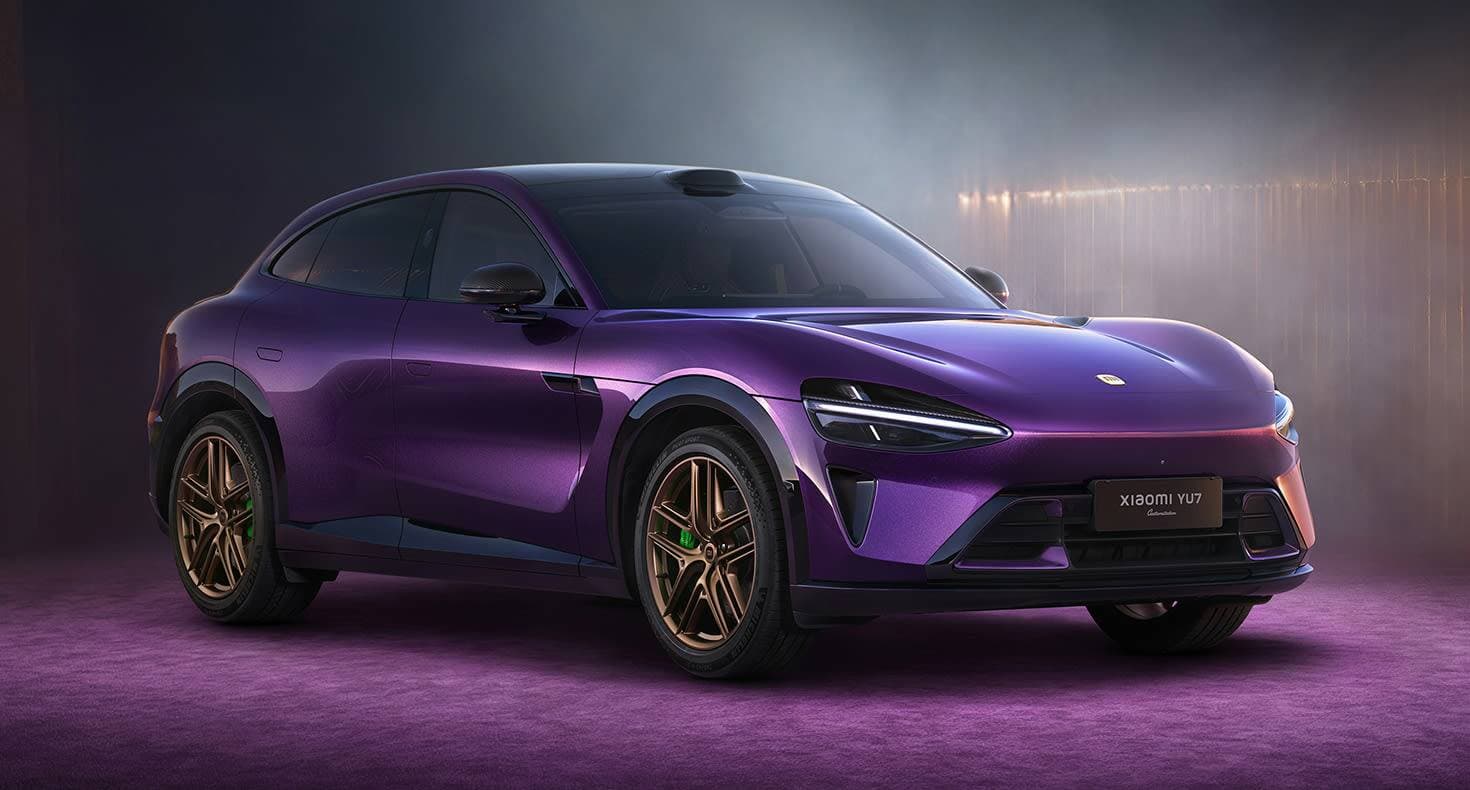
Xiaomi is seemingly the Chinese brand the market can’t stop talking about.
The tech-company-turned-automaker’s small range of the SU7 electric performance liftback and YU7 Model Y-rivalling performance SUV are so hyped in China. The latter model has racked up 300,000 orders, exceeding production capacity at the brand’s Beijing factory by at least two years.
Meanwhile the SU7 already had a backlog of 150,000 units, making any chance of an overseas debut years away (although, that hasn’t stopped the brand from feeling out the Japanese market for a potential launch).
It ticks the luxurious, fast and affordable boxes, and the Xiaomi range has already had mid-cycle updates and a large SUV is on the way to expand on its two-car range.
Despite some high-profile scandals involving aero parts, which didn’t work as described and crashes involving autonomous driving (should sound familiar to anyone following Tesla’s story), there’s nothing stopping Xiaomi’s explosive growth, except maybe factory capacity.
The initial site’s 150,000 unit capacity will be doubled in the coming years with the opening of a second building, with a third on the way.
Nio
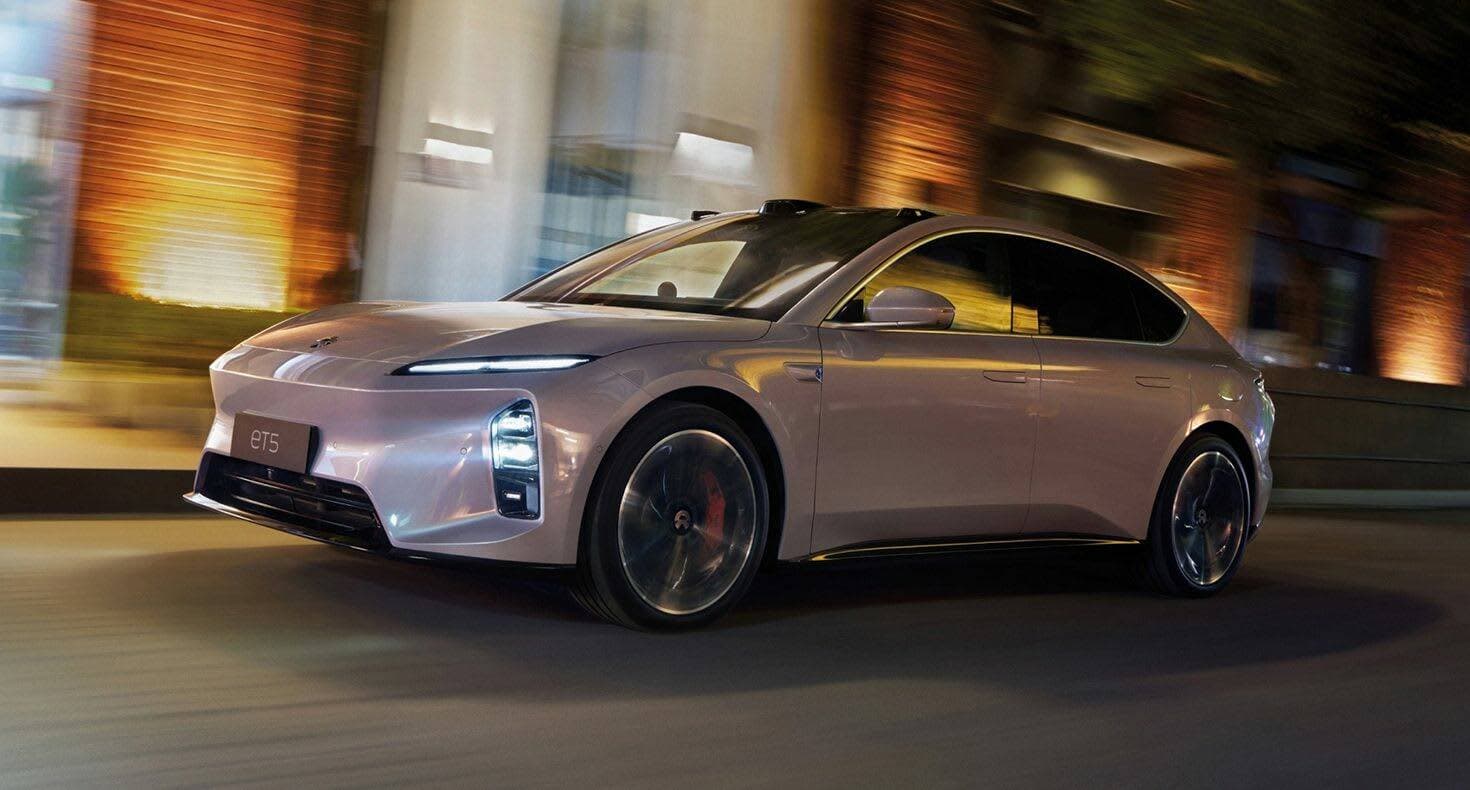
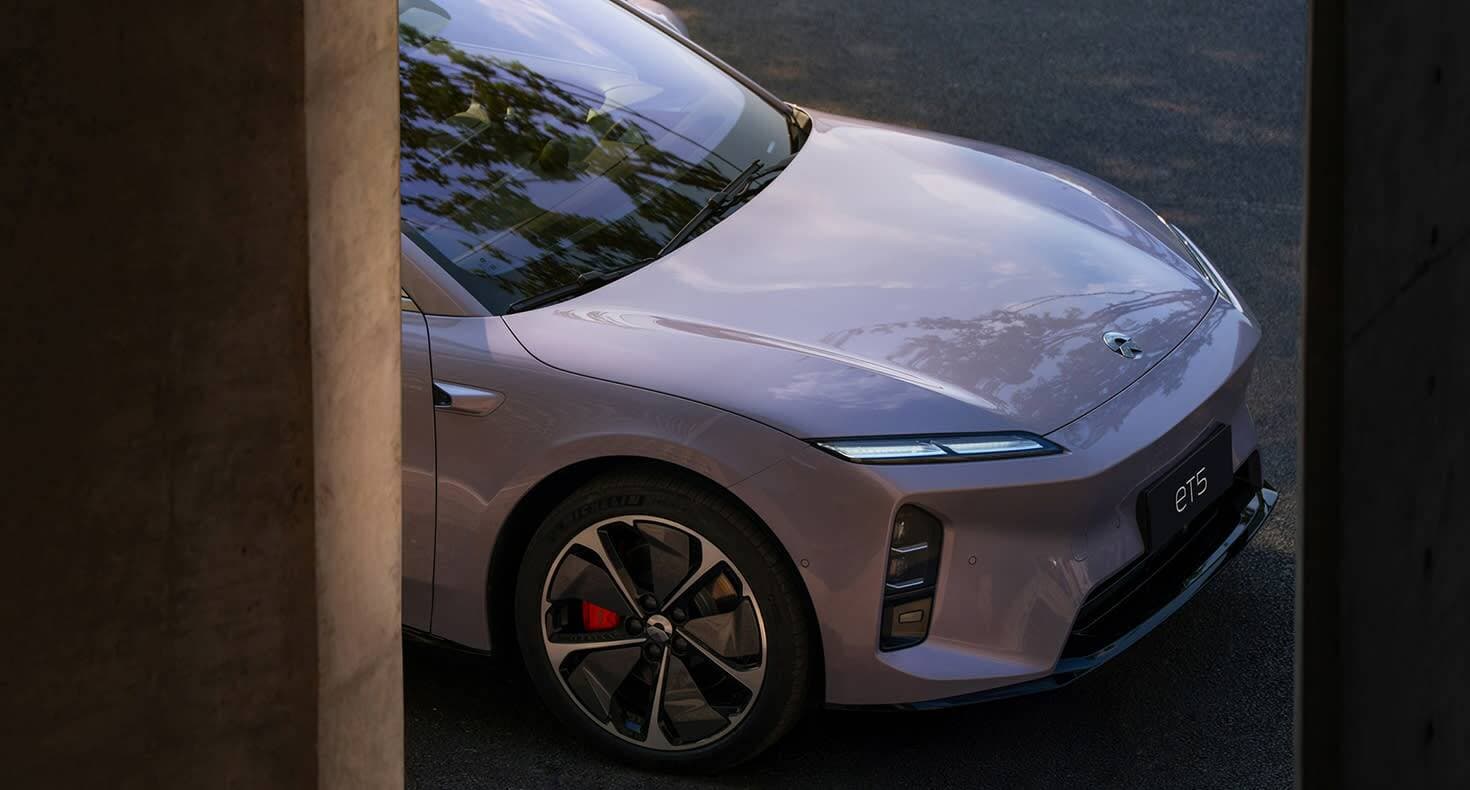
The Australian market will score at least one Nio model in the coming years, with the brand confirming its Euro-centric Firefly hatch for an Aussie debut in 2026.
It’s the full Nio experience we really want, though. The brand’s other Euro-inspired models could be the kind of offering to shake Tesla’s still-dominant hold on the mid-sized electric car segment, but the real circuit-breaker is the brand’s unique sales model.
In China and some European markets, Nio buyers can opt to lease the battery in their car for a monthly fee rather than buy the whole thing outright, bringing the initial price down, and offering buyers a way to trade up or out of their battery in the future, which theoretically makes degradation and battery faults the company’s problem.
On top of that, Nio has plans to operate the world’s largest battery swap network in cahoots with the world’s biggest battery manufacturer, CATL.
The battery swap stations, which are already operating full blast in China, trade the usually 30 - 40 minute DC charge time for most EVs out for a sub-five-minute swap cycle in a robotic garage.
Jetour
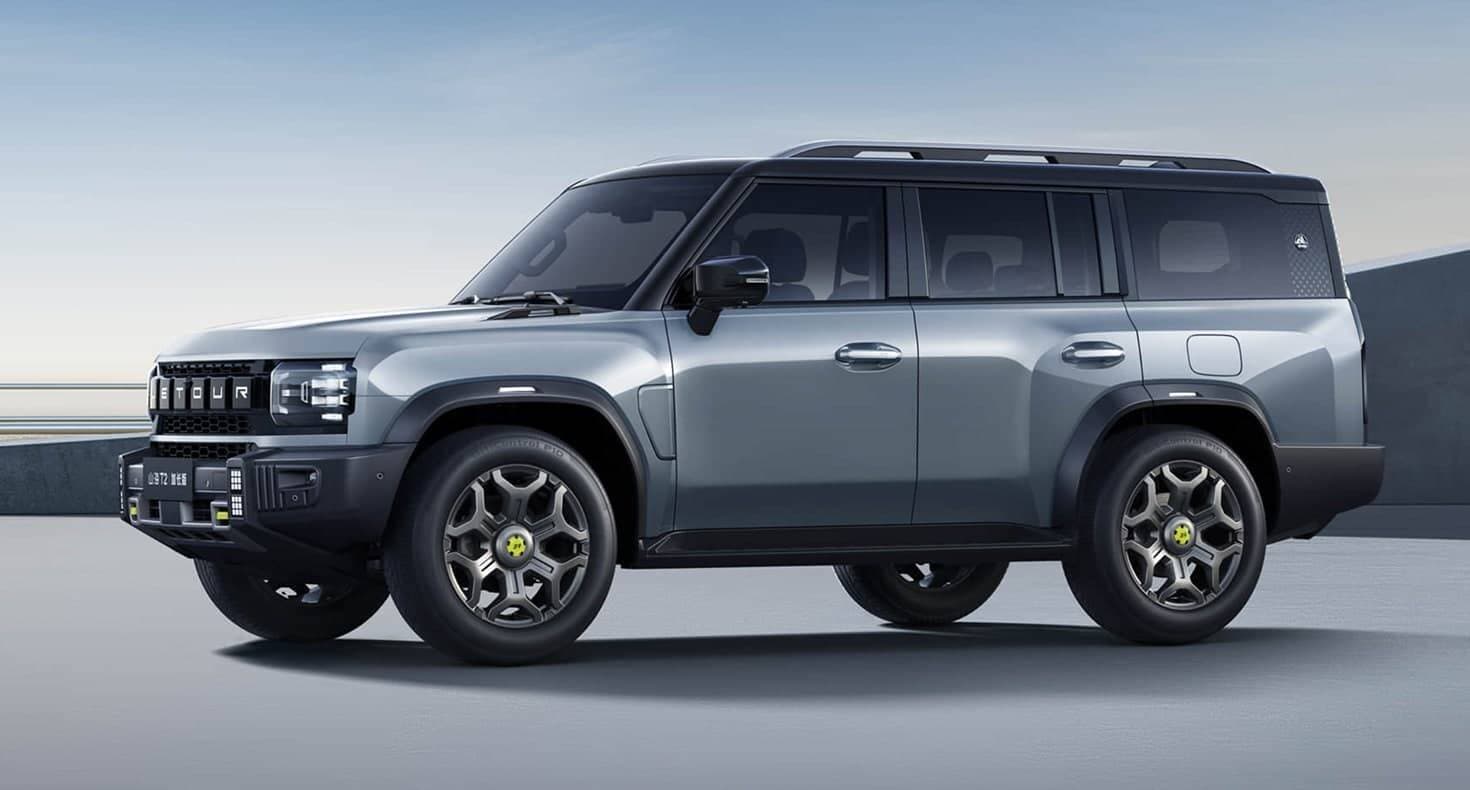
A bit less dramatic than the other options on this list, Jetour is a humble division of Chery’s expanding and dazzling array of sub-brands.
What makes this one so appealing for the Australian market though is its range of hybrid 4x4 vehicles which seem expressly designed to compete with offerings from GWM’s Tank range, as well as even higher-end offerings to compete with BYD’s just-launched Denza B5 and B8.
At the entry-point, there’s the boxy, seemingly Defender-inspired Traveller mid-sizer, which is primarily offered as a plug-in hybrid. Further up the range there’s the G700 SUV and its incoming F700 American-style ‘full-size pick-up’, both with PHEV technology, massive batteries and overwhelming power figures.
We’ve been asking Chery’s Australian division since its local re-boot when we’ll see Jetour vehicles, as it has already launched separate Omoda and Jaecoo divisions, with Lepas following next year. The latest word is Jetour could be brought to Australia under a separate distributor, rather than sent direct from HQ.
Meanwhile for those holding out for something a little different, Chery will offer a brand new global dual-cab ute model, which looks set to debut a diesel-hybrid drivetrain as a unique offering in Australia. Watch this space.
HIMA
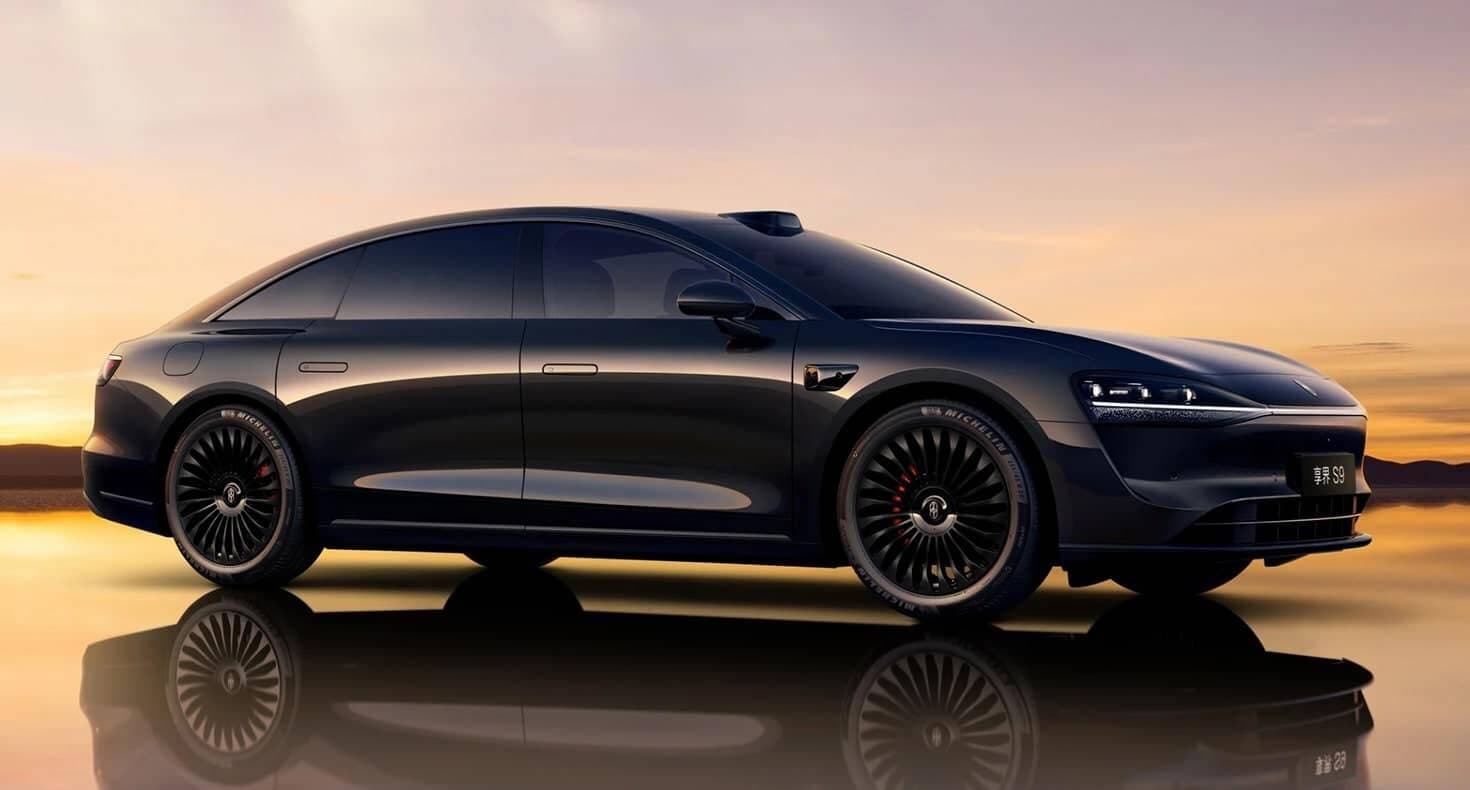
Hima (the Harmony Intelligent Mobility Alliance) is a unique proposition in the car world — an alliance of Chinese automakers united by a collective joint-venture with tech giant Huawei. HIMA is the parent group, which oversees a range of premium Chinese marques: Aito, Luxeed, Stelato, Maextro and SAIC.
HIMA vehicles are sold in Huawei stores in China, where tech products and cars are freely sold side-by-side, and a major part of the joint-venture is the use of Huawei’s Harmony operating system and autonomous driving safety suite in every vehicle.
The largest of the partnerships is Aito, which offers a more mainstream range of SUVs, but the most interesting products are from the group’s ultra-luxury arm Stelato and Maextro. The former, a joint-venture with BAIC, makes the Porsche Taycan-rivalling S9 sedan and S9T wagon. The latter builds just one model, the ultra-high-end Toyota Century or Mercedes-Benz S-Class rivalling S800.
212
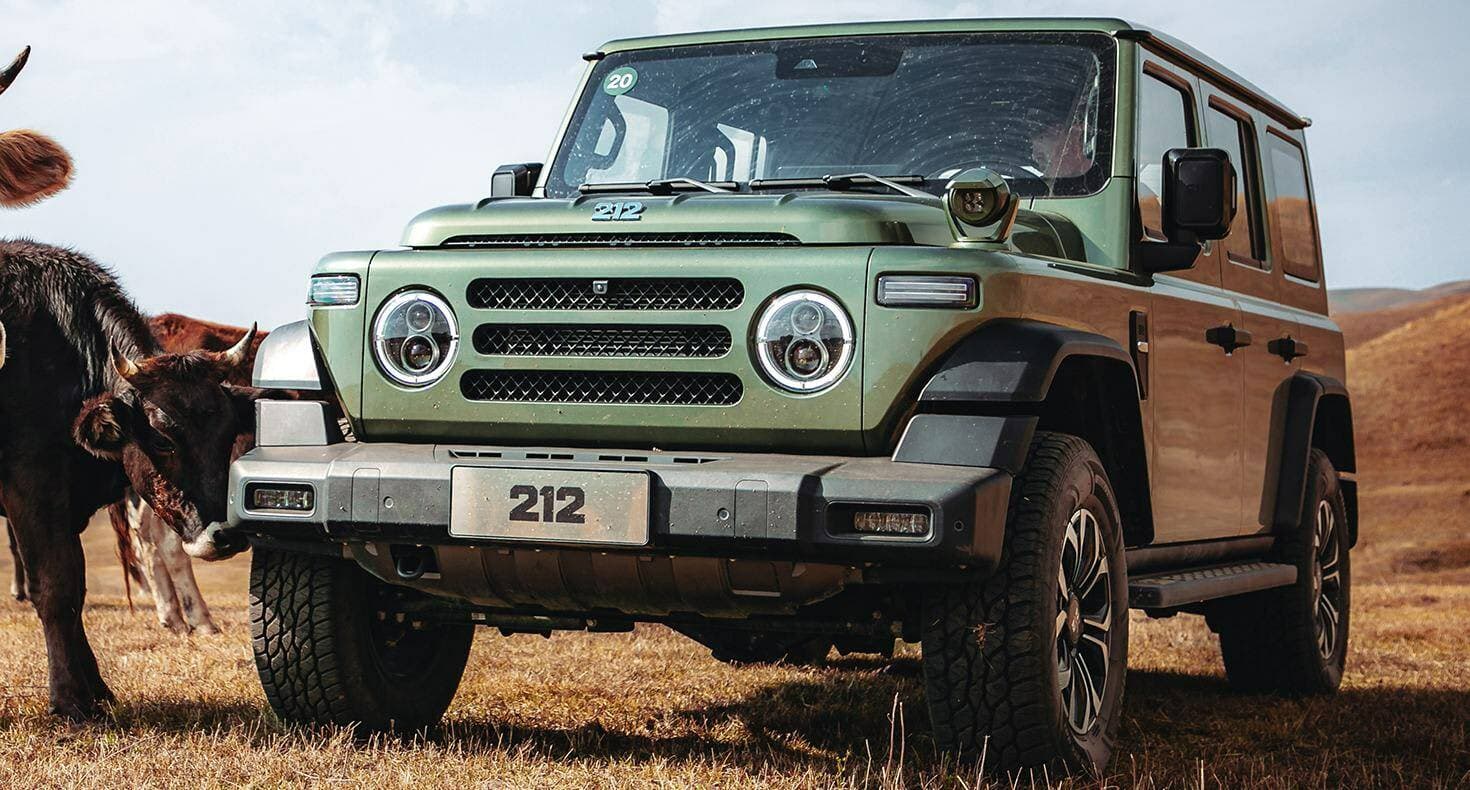
Here’s a new one for you. For all the Chinese brands that are having a go at LandCruiser territory, such as GWM’s Tank 300 and 500, Denza’s B5, or even Chery’s Jetour as mentioned above, they’re missing the charming simplicity, which draws people to off-roaders like it.
If you take one look at Jimny or 70 Series sales, simplicity, it seems, is the key. This is where the oddly-named 212 comes in.
A spin-off of Beijing-based auto giant BAIC, 212 is an automaker with a singular purpose (and right now, a singular model, the T01), and that’s to continue the legacy of China’s original domestic off-roader.
The BAIC 212 descends directly from the Beijing Jeep 212 which debuted in 1965 as a military Jeep using Soviet parts.
This makes the new 212 literally China’s alternate-universe Jeep Wrangler, or equivalent to something like the LandCruiser 70 Series which can also draw its lineage back over 60 years.
It’s no nonsense too, with the choice of a 2.0-litre petrol or diesel turbo powertrain, eight-speed traditional automatic, solid axles, and a proper four-wheel drive system.